Viscosity Measurement Tools

Viscosity measurement tools are essential for determining the resistance of liquids to flow under specific conditions. These instruments ensure precision and consistency in laboratory analyses.

  1. BROOKFIELD ACCESSORIES

    Viscometers

    BROOKFIELD ACCESSORIES

    Viscometer Accessories

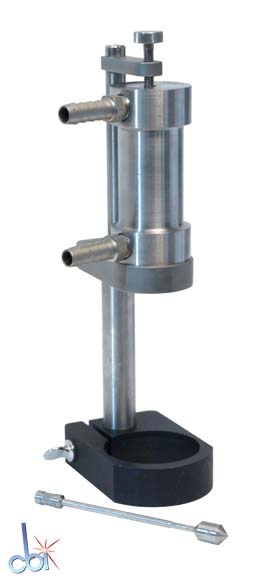
  2. BROOKFIELD SC4-6

    Viscometers

    BROOKFIELD SC4-6

    Water Jacketed Small Sample Chamber

Common Applications

pharmaceutical formulation analysis

oil and lubricant testing

food and beverage quality control

cosmetic product development

chemical process monitoring

academic research

Buying Guide

Viscosity Measurement Tools Buying Considerations

  • Determine the type of fluids being tested to select appropriate equipment.
  • Consider the viscosity range you need to measure.
  • Evaluate the measurement accuracy and repeatability specifications.
  • Check compatibility with existing laboratory systems.
  • Review the maintenance and calibration requirements of the tool.

Frequently Asked Questions

What are viscosity measurement tools used for?
They are used to determine the viscosity of liquids, ensuring accurate fluid analysis in laboratories.
How do I choose the right viscosity measurement tool?
Consider factors such as the fluid type, viscosity range, required accuracy, and measurement environment.
What is the difference between a viscometer and a rheometer?
A viscometer measures viscosity at a single set of conditions, while a rheometer measures flow properties under varying conditions.
Can viscosity measurement tools be calibrated?
Yes, regular calibration is essential to maintain measurement accuracy and reliability.