
Inverted Microscopes

Inverted microscopes are essential tools for observing samples from below, accommodating larger specimens and cultures. They enhance imaging precision and support advanced research in laboratories.

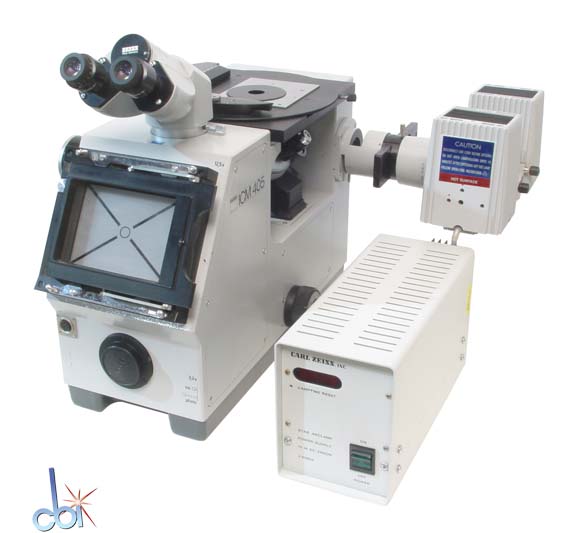
  1. ZEISS INVERTED MICROSCOPE, BRIGHTFIELD AND DIC

    Inverted Microscopes

    ZEISS INVERTED MICROSCOPE, BRIGHTFIELD AND DIC

    Inverted MicroscopeBrightfield and DIC

Common Applications

cell culture observation

live cell imaging

tissue culture analysis

biological research

fluorescence microscopy

industrial metallurgical analysis

Buying Guide

Inverted Microscopes Buying Considerations

  • Evaluate optical quality to ensure clarity and resolution for your specific applications.
  • Consider the compatibility with fluorescence attachments if advanced imaging is required.
  • Check for ergonomic design features to enhance user comfort during prolonged use.
  • Ensure the microscope accommodates the size of the culture dishes or specimens you intend to study.
  • Review digital imaging integration to facilitate seamless data analysis and sharing.

Frequently Asked Questions

What makes inverted microscopes unique?
Inverted microscopes allow observation of samples from below, making it ideal for larger culture flasks and petri dishes.
Can inverted microscopes be used for fluorescence?
Yes, many inverted microscopes are equipped with fluorescence capabilities for advanced imaging.
Are inverted microscopes suitable for live cell imaging?
Yes, they are designed to accommodate live cell imaging, providing stability and precision.
How do I choose the right inverted microscope?
Consider factors like application, required magnification, and compatibility with existing imaging technologies.