Reliable Cryogenic Equipment for Chemical Storage

Cryogenic equipment is essential for the safe storage and handling of liquefied gases at extremely low temperatures. It provides reliable solutions for maintaining the integrity and safety of these substances.

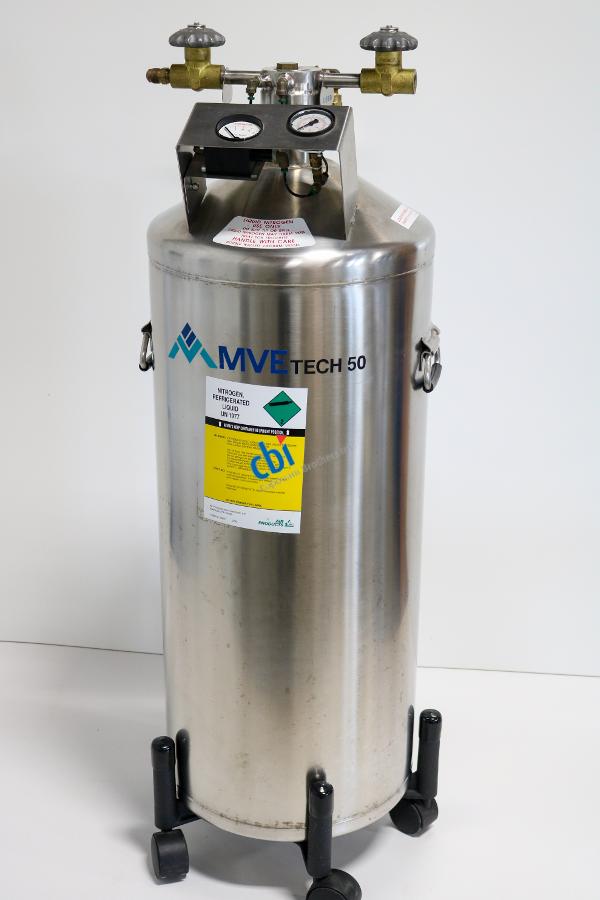
  1. MVE CHART 50 LITER DEWAR LIQUID & GAS

    Cryogenic Dewars

    MVE CHART 50 LITER DEWAR LIQUID & GAS

    50L LN2 Dewar - Dispenses Liquid or Gas

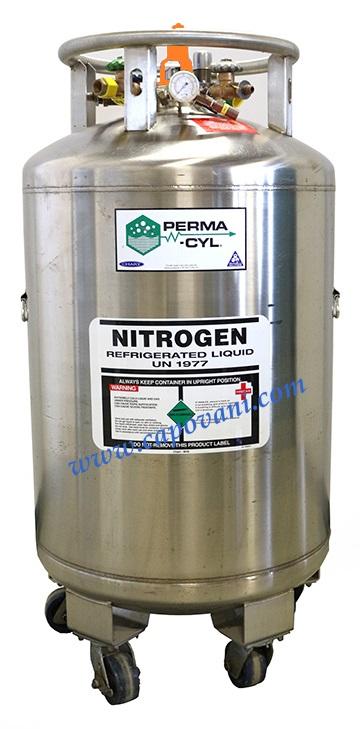
  2. CHART MVE 230 LITER CRYOGENIC DEWAR STORAGE SYSTEM

    Cryogenic Dewars

    CHART MVE 230 LITER CRYOGENIC DEWAR STORAGE SYSTEM

    Perma-Cyl MicroBulk Cryogenic Dewar Storage System

    Make: Chart Industries

    Model: Perma Cyl 230L HP

    1 unit @ Best Price

Common Applications

Medical Storage

Biotechnology

Pharmaceuticals

Industrial Gas Supply

Food Processing

Aerospace Engineering

Buying Guide

Buying Guide

  • Consider the specific gases to be stored and their temperature requirements.
  • Evaluate the capacity and space available for cryogenic tanks.
  • Review the insulation efficiency of the equipment.
  • Check compatibility with existing systems and compliance with safety regulations.

Frequently Asked Questions

What types of gases are typically stored in cryogenic equipment?
Cryogenic equipment is primarily used to store gases like liquid nitrogen, oxygen, argon, and helium at very low temperatures. These gases are maintained in a liquefied state to ensure safe and efficient storage and handling.
Why is cryogenic equipment used in chemical storage?
Cryogenic equipment is used in chemical storage to safely maintain and transport gases at extremely low temperatures, preventing evaporation and reducing the risk of pressure build-up in storage containers.
What are the benefits of using cryogenic tanks?
Cryogenic tanks offer benefits such as maintaining product purity, ensuring safety during storage and transportation, and reducing energy consumption through efficient thermal insulation.
How is cryogenic equipment maintained?
Regular inspections, pressure tests, and cleaning of valves and fittings are crucial for maintaining cryogenic equipment. Ensuring the integrity of insulation and monitoring for leaks are also important maintenance practices.