Analog Printers

Analog printers are devices used to transfer ink onto a physical medium, maintaining high detail and color fidelity. They support consistent and efficient production in various industrial printing applications.

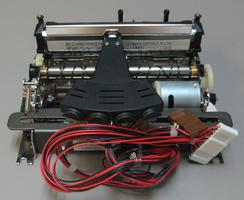
  1. Star Micronics DP824-12-D Printer

    Analog Printers

    Star Micronics DP824-12-D Printer

    Star Micronics DP824-12-D Printer Printer
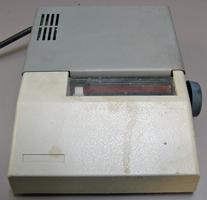
  2. Trendcom 100 Printer

    Analog Printers

    Trendcom 100 Printer

    Trendcom 100 Printer Printer

Common Applications

packaging

label production

textile printing

newspaper printing

book publishing

cardboard printing

Buying Guide

Analog Printers Buying Considerations

  • Evaluate the types of materials the printer can handle to ensure it meets your specific industrial needs.
  • Assess the printer's setup and changeover time to optimize production efficiency.
  • Consider the printing speed and quality to match your output requirements.
  • Check the printer's compatibility with existing systems and workflows.
  • Factor in the total cost of ownership, including maintenance and consumables.

Frequently Asked Questions

What are the main types of analog printers?
The main types of analog printers include offset, flexographic, screen, lithographic, and letterpress printers.
How do analog printers differ from digital printers?
Analog printers use plates or screens to apply ink onto a material, while digital printers directly apply ink based on digital data without physical plates.
What industries use analog printers?
Analog printers are commonly used in packaging, label production, textile printing, and publishing industries.
What should I consider when choosing an analog printer?
Consider the printing volume, material compatibility, print speed, and setup costs when selecting an analog printer.