Comparators

Comparators are precision instruments used to measure and compare dimensions against a standard or reference part. They enhance the accuracy and reliability of inspection processes in various industries.

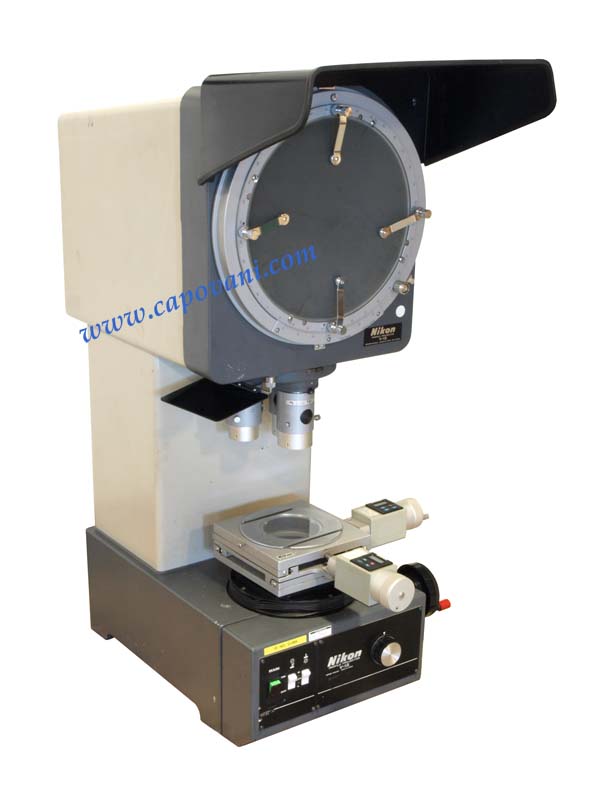
  1. NIKON OPTICAL COMPARATOR

    Comparators

    NIKON OPTICAL COMPARATOR

    Optical Comparator

Common Applications

machinery inspection

automotive parts measurement

aerospace component verification

precision manufacturing

quality control labs

toolmaking

Buying Guide

Comparator Buying Considerations

  • Determine the level of precision required for your application.
  • Choose between dial, digital, or optical types based on inspection needs.
  • Consider the measurement range and magnification capabilities required.
  • Evaluate compatibility with existing equipment and standards.
  • Assess brand reputation and support for calibration services.

Frequently Asked Questions

What are comparators used for?
Comparators are used to measure and compare part dimensions against a calibrated standard to ensure quality and precision.
How do optical comparators work?
Optical comparators project magnified images of parts onto a screen to allow for precise dimensional comparison with overlays.
What is the difference between a dial and digital comparator?
A dial comparator uses a dial gauge to display measurements, while a digital comparator provides readouts on a digital display with higher precision.
Can comparators be used for all types of materials?
Yes, comparators can be used on various materials as long as the comparator type is suitable for the specific inspection requirements.