Hardness Testers

Hardness testers assess the resistance of materials to indentation, ensuring product durability. They support quality assurance by verifying material strength and wear resistance.

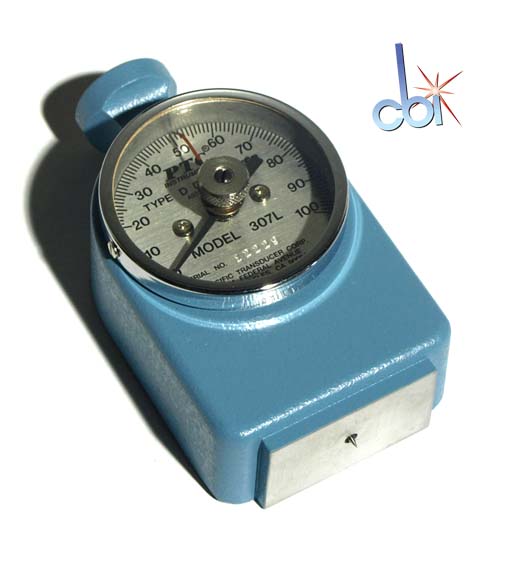
  1. PACIFIC TRANSDUCER CORPORATION DUROMETER

    Hardness Testers

    PACIFIC TRANSDUCER CORPORATION DUROMETER

    Shore Type D Durometer

Common Applications

metal testing

plastic testing

rubber testing

quality control

aerospace material inspection

automotive material evaluation

Buying Guide

Hardness Tester Buying Considerations

  • Identify the material type and select an appropriate scale like Rockwell, Brinell, or Shore.
  • Determine whether a stationary or portable tester is more suitable for your site's workflow.
  • Consider the ease of calibration and maintenance of the tester to ensure accurate readings.
  • Check the tester's compatibility with digital and software integrations for data processing.
  • Review brand reputation and any available customer support services for post-purchase assistance.

Frequently Asked Questions

What are hardness testers used for?
Hardness testers are used to measure the resistance of materials to permanent shape change or deformation, crucial in quality control and material verification.
How do I choose the right hardness tester?
Consider the material type, required testing scale (Rockwell, Brinell, etc.), and the testing environment to select an appropriate hardness tester.
What industries use hardness testers?
Industries like automotive, aerospace, construction, and metal fabrication use hardness testers for material testing and quality assurance.
Can hardness testers be used on non-metal materials?
Yes, hardness testers like Shore durometers are specifically designed to test the hardness of non-metal materials such as rubber and polymers.