Combination Gauges

Combination gauges are used to measure both pressure and vacuum levels within a single device. They support precise monitoring essential for maintaining system performance and safety.

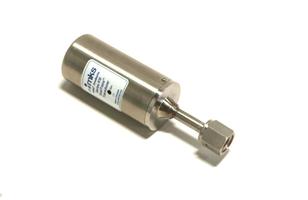
  1. MKS INSTRUMENTS LOADLOCK VACUUM TRANSDUCER

    Combination Gauges

    MKS INSTRUMENTS LOADLOCK VACUUM TRANSDUCER

    Vacuum Pressure Transducer

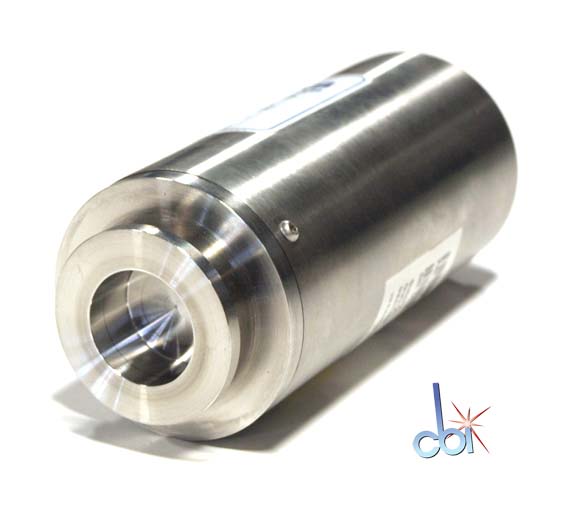
  2. MKS MICRO PIRANI/ABSOLUTE PIEZO TRANSDUCER

    Combination Gauges

    MKS MICRO PIRANI/ABSOLUTE PIEZO TRANSDUCER

    Micro Pirani /Absolute Piezo Transducer
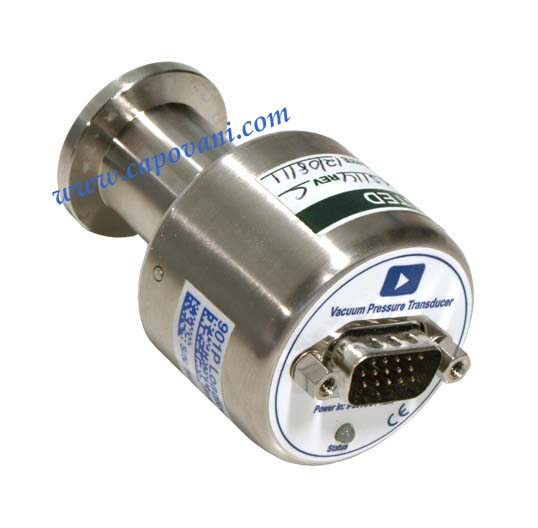
  3. MKS INSTRUMENTS LOADLOCK TRANSDUCER

    Combination Gauges

    MKS INSTRUMENTS LOADLOCK TRANSDUCER

    Loadlock Transducer

Common Applications

industrial manufacturing

HVAC systems

chemical processing

laboratory research

petroleum refining

food and beverage processing

Buying Guide

Combination Gauges Buying Considerations

  • Determine the required measurement range for pressure and vacuum.
  • Choose between analog or digital displays based on preference for data reading.
  • Consider environmental conditions that may affect gauge performance, such as temperature and humidity.
  • Check for compatibility with existing equipment, ensuring a seamless integration.
  • Evaluate the material of construction for resistance to corrosion or harsh chemicals.

Frequently Asked Questions

What are combination gauges used for?
Combination gauges are used to simultaneously measure both pressure and vacuum in industrial systems.
How do combination gauges work?
They integrate two measurement elements within a single device, allowing for simultaneous pressure and vacuum readings.
What industries use combination gauges?
Combination gauges are commonly used in manufacturing, chemical processing, and HVAC systems.
What are the benefits of using combination gauges?
They provide a compact solution for monitoring both pressure and vacuum, improving efficiency and system safety.