
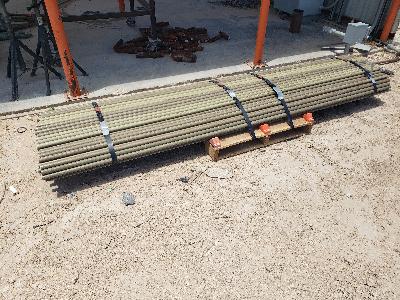
Pipe & Tubing Parts

Pipe and tubing serve as essential conduits for transporting oil, gas, and related fluids across various operational environments. They ensure the efficient and reliable flow of materials, supporting optimal performance and safety in the oil and gas industry.

  1. 10' pre-cut 1-1/4" fiberglass rods

    Sucker Rod

    10' pre-cut 1-1/4" fiberglass rods

    **Take a whole truckload or just a few pallets**

    Let us know what size you need and we can cut and palletize for your needs!

    Save on freight

    Contact: Duke Hernandez

    Dhernandez@wfes.com

    432-230-5381
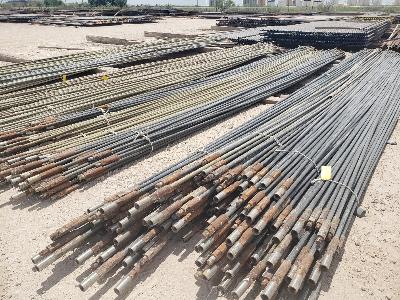
  2. Fiberglass Rods 1" & 1-1/4" Rack D2 Odessa, TX

    Sucker Rod

    Fiberglass Rods 1" & 1-1/4" Rack D2 Odessa, TX

    763 1" Fiberglass rods

    191 1-1/4" Fiberglass rods

    Some bundles mixed 

    Contact: Duke Hernandez

    Dhernandez@wfes.com

    432-230-5381

  3. Fiberglass 1-1/4" 858 pcs Mid-rack Odessa, TX

    Sucker Rod

    Fiberglass 1-1/4" 858 pcs Mid-rack Odessa, TX

    Contact: Duke Hernandez

    Dhernandez@wfes.com

    432-230-5381
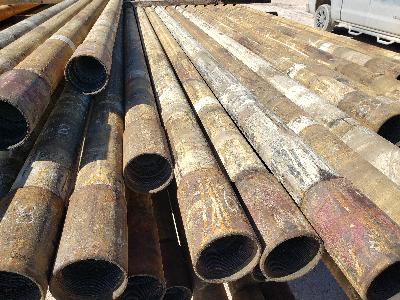
  4. 4-1/2" 11.60# L-80 LTC casing Raw material W/Polycore liner

    Casing

    4-1/2" 11.60# L-80 LTC casing Raw material W/Polycore liner

    This Item was pulled due to ID restriction as they needed to push more volume. No holes or pitting, would need to have threads looked at.

    EMI/Inspection can be an option if requested

    Contact: Duke Hernandez

    Dhernandez@wfes.com

    432-230-5381
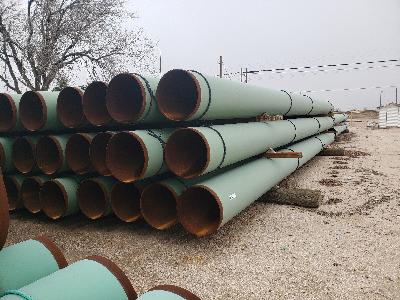
  5. 24" .375 SCH 20 STD LINE PIPE

    Line Pipe

    24" .375 SCH 20 STD LINE PIPE

    12,429 ft Available

    New Surplus W/MTR's

    Please Contact Duke Hernandez

    432-230-5381

    Dhernandez@wfes.com

Common Applications

Oil Exploration

Natural Gas Distribution

Subsea Pipelines

Refinery Piping Systems

Petrochemical Plants

Offshore Drilling

Pipeline Transportation

Buying Guide

Buying Guide

  • Assess the specific pressure and temperature requirements of your project to select the appropriate pipe material.
  • Consider the chemical compatibility of the pipe material with the transported fluids to prevent corrosion.
  • Evaluate the advantages of seamless versus welded pipes based on your application needs and budget.
  • Ensure compliance with industry standards such as API and ASTM for safety and performance assurance.
  • Factor in the installation environment, such as onshore or offshore, when choosing pipe coatings and linings.

Frequently Asked Questions

What materials are used for oil and gas pipes?
Oil and gas pipes are typically made from carbon steel, stainless steel, or alloy steel to withstand harsh conditions.
How do I choose the right pipe for my oil and gas project?
Consider factors such as pressure, temperature, and chemical exposure when selecting pipes for oil and gas applications.
What is the difference between seamless and welded pipes?
Seamless pipes are manufactured without a weld seam, providing higher pressure ratings, while welded pipes are more cost-effective.
How often should oil and gas pipes be inspected?
Regular inspections are recommended every one to five years, depending on the pipe material and operating conditions.
Are there specific standards for oil and gas piping?
Yes, standards such as API 5L and ASTM are commonly used to ensure quality and safety in oil and gas piping systems.