
Cryogenic Dewars

Cryogenic dewars are specialized containers used to store and transport gases in their liquefied state at low temperatures. They ensure stable and efficient semiconductor manufacturing by maintaining the integrity of cryogenic materials.

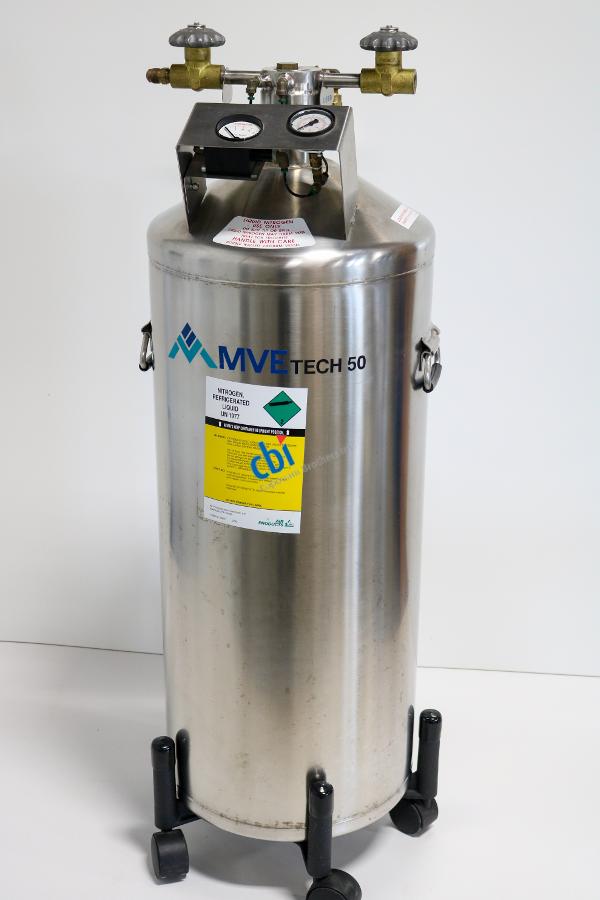
  1. MVE CHART 50 LITER DEWAR LIQUID & GAS

    Cryogenic Dewars

    MVE CHART 50 LITER DEWAR LIQUID & GAS

    50L LN2 Dewar - Dispenses Liquid or Gas
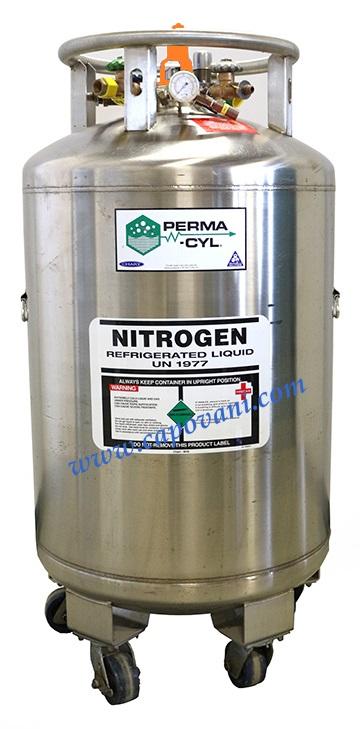
  2. CHART MVE 230 LITER CRYOGENIC DEWAR STORAGE SYSTEM

    Cryogenic Dewars

    CHART MVE 230 LITER CRYOGENIC DEWAR STORAGE SYSTEM

    Perma-Cyl MicroBulk Cryogenic Dewar Storage System

    Make: Chart Industries

    Model: Perma Cyl 230L HP

    1 unit @ Best Price

Common Applications

semiconductor manufacturing

cryogenic research

laboratory settings

medical gas storage

industrial gas management

superconductivity testing

Buying Guide

Cryogenic Dewars Buying Considerations

  • Evaluate dewar capacity to ensure it meets your volume requirements without frequent refilling.
  • Check material compatibility to avoid reactions between stored gases and the container material.
  • Consider the level of insulation to minimize evaporation rates and preserve the cryogenic state.
  • Assess ease of transport if you require mobility for your cryogenic storage solutions.
  • Review safety features like pressure relief valves and robust construction for safe operation.

Frequently Asked Questions

What is a cryogenic dewar?
A cryogenic dewar is a type of insulated container specifically designed to store and handle liquefied gases at very low temperatures.
Why are cryogenic dewars important in semiconductor manufacturing?
They are crucial for maintaining the purity and cold temperature of cryogenic materials, which are essential for various semiconductor processes.
How do I choose the right cryogenic dewar?
Consider the volume, material compatibility, insulation quality, and operational pressure of the dewar to match your specific needs.
What safety measures should be in place when using cryogenic dewars?
Ensure proper ventilation, use protective gear, and follow specific handling procedures to prevent frostbite and inhalation risks.