

Power Generation Equipment

Power generation equipment is essential for converting various energy sources into electrical power. It ensures a stable and efficient power supply for industrial, commercial, and residential use.
  1. Westinghouse Generator - 1983 (GEN-400)

    Other Generators

    Westinghouse Generator - 1983 (GEN-400)

    Westinghouse Generator - 1983 (GEN-400)

    Nameplate Rating: 

    140,000 KVA

    3600 RPM

    14,400 Volts

    0.85 PF

    30 PSIG HS

    Generator 400

    Early 1983,  base loaded service until 2011, then Sync Cond until 2021. Has approximately eleven years (90,000 run hours) as a synchronous condenser. Winning bidder shall be responsible for disconnect, removal and transportation.

    Additional information is available upon request.

    Sold “As Is-Where Is” with no warranties or liabilities. Dow recommends viewing to make your own determination of condition.

    Bidding closes on Dow’s acceptance of a qualifying bid

    DOW RESERVES THE RIGHT TO REJECT ANY AND/OR ALL BIDS

    LOAD OUT: Buyer is responsible for loading, securing the load, and logistics.

    Minimum Bid: $1,000,000.00

  2. Branson/IPC PM 132 RF Generator

    Frequency Generator

    Branson/IPC PM 132 RF Generator

    1000W @ 13.56 MHz RF Generator
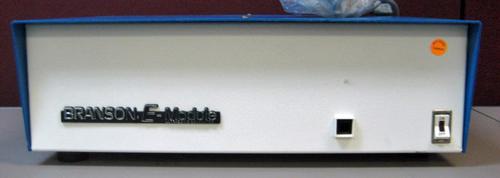
  3. Branson EMA50-18 Ultrasonic Generator

    Other Generators

    Branson EMA50-18 Ultrasonic Generator

    Branson EMA50-18 Ultrasonic Generator
  4. On Site Gas Systems N-20

    Other Generators

    On Site Gas Systems N-20

    N2 Generator
  5. Westinghouse Generator -1982 (GEN-300)

    Other Generators

    Westinghouse Generator -1982 (GEN-300)

    Westinghouse Generator -1982 (GEN-300)

    Nameplate Rating: 

    140,000 KVA

    3600 RPM

    14,400 Volts

    0.85 PF

    30 PSIG H2

    Generator 300

    Late 1982,  base loaded service until 2016, then Sync Cond until 2020. Has approximately two years (17,000 run hours) as a synchronous condenser. Winning bidder shall be responsible for disconnect, removal and transportation.

    Additional information is available upon request.

    Sold “As Is-Where Is” with no warranties or liabilities. Dow recommends viewing to make your own determination of condition.

    Bidding closes on Dow’s acceptance of a qualifying bid

    DOW RESERVES THE RIGHT TO REJECT ANY AND/OR ALL BIDS

    LOAD OUT: Buyer is responsible for loading, securing the load, and logistics.

    Minimum Bid: $1,000,000.00

Common Applications

Industrial Manufacturing

Data Centers

Hospitals

Renewable Energy Projects

Construction Sites

Remote Off-Grid Locations

Buying Guide

Buying Guide

  • Assess your power requirements and budget
  • Evaluate the energy source compatibility
  • Check for brand reliability and support
  • Consider the future expansion and scalability

Frequently Asked Questions

What types of power generation equipment are available?
Power generation equipment includes diesel generators, gas turbines, solar panels, wind turbines, and hydroelectric systems. Each type is designed to harness a specific energy source and convert it into electricity.
How do I choose the right power generation equipment?
Consider your energy needs, fuel availability, and environmental impact. It's crucial to assess the equipment's efficiency, capacity, and compatibility with existing infrastructure.
What are the benefits of surplus power generation equipment?
Surplus equipment offers cost savings, immediate availability, and tested performance. It provides an economical solution without compromising quality.
Can surplus equipment be used in renewable energy projects?
Yes, surplus equipment like solar panels and wind turbines can be integrated into renewable energy projects, providing sustainable power solutions at a lower cost.