
Cabling & Connectivity
Cabling and connectivity solutions are essential for establishing efficient and reliable communication channels within industrial systems. They ensure seamless data transfer, enhancing operational performance and system reliability.
-
-
-
-
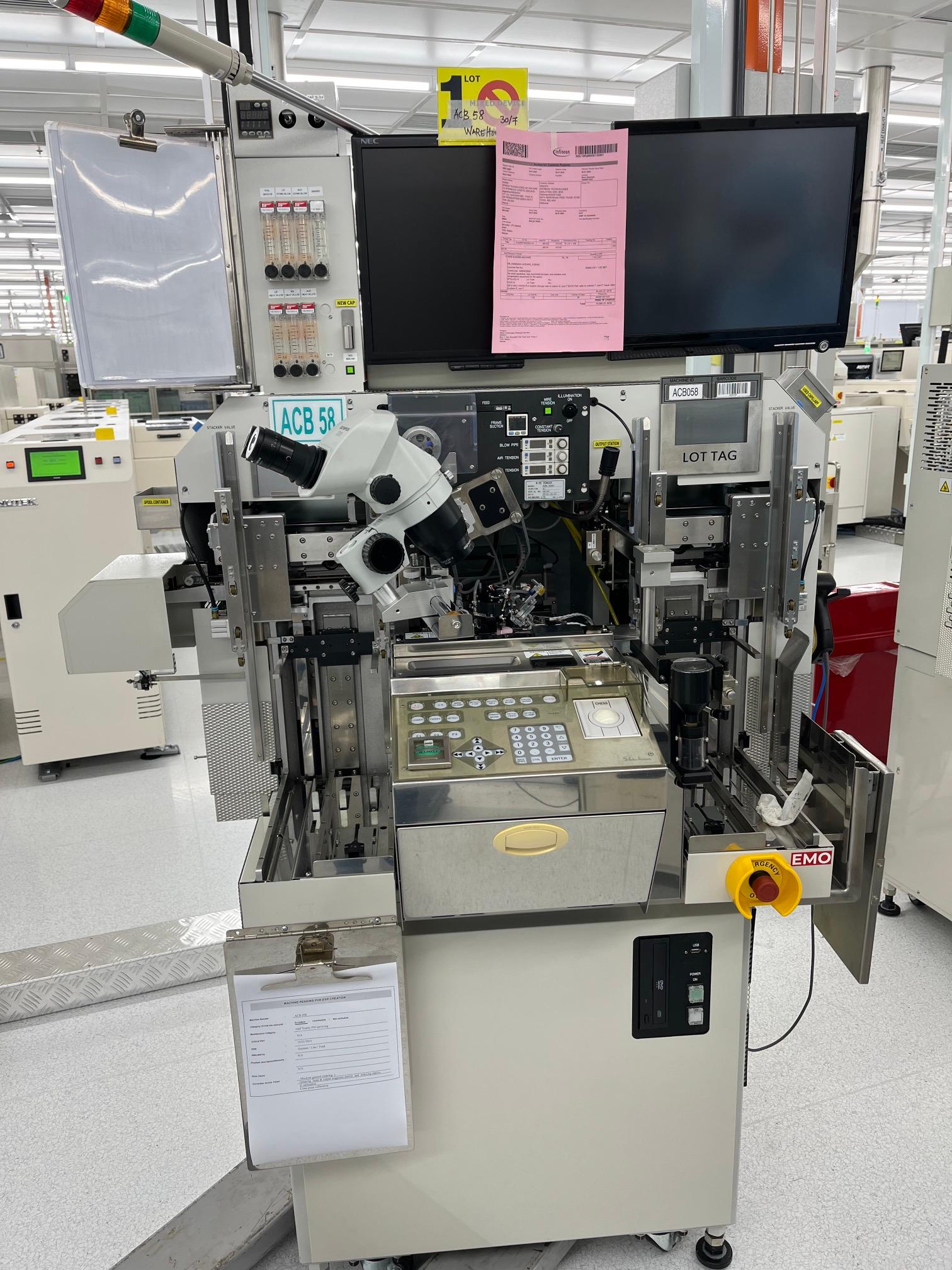
WB_SHINKAWA ACB3000_ACB058
-
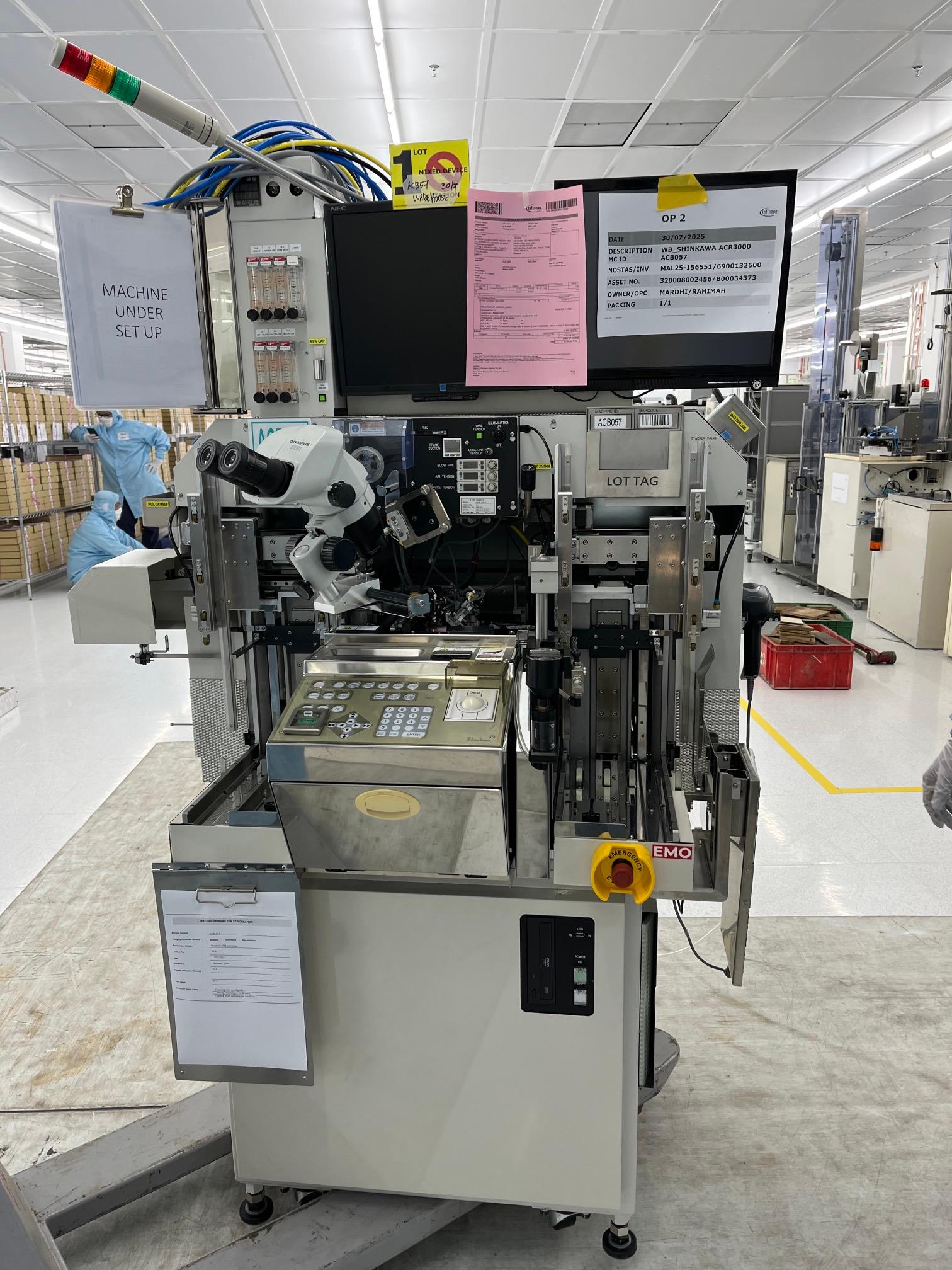
WB_SHINKAWA ACB3000_ACB057
-
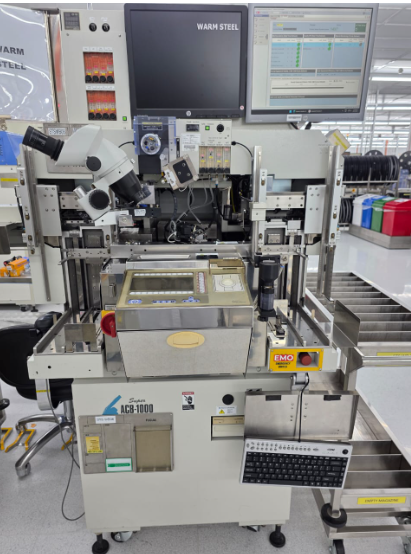
WB_SHINKAWA ACB3000_ACB053
-
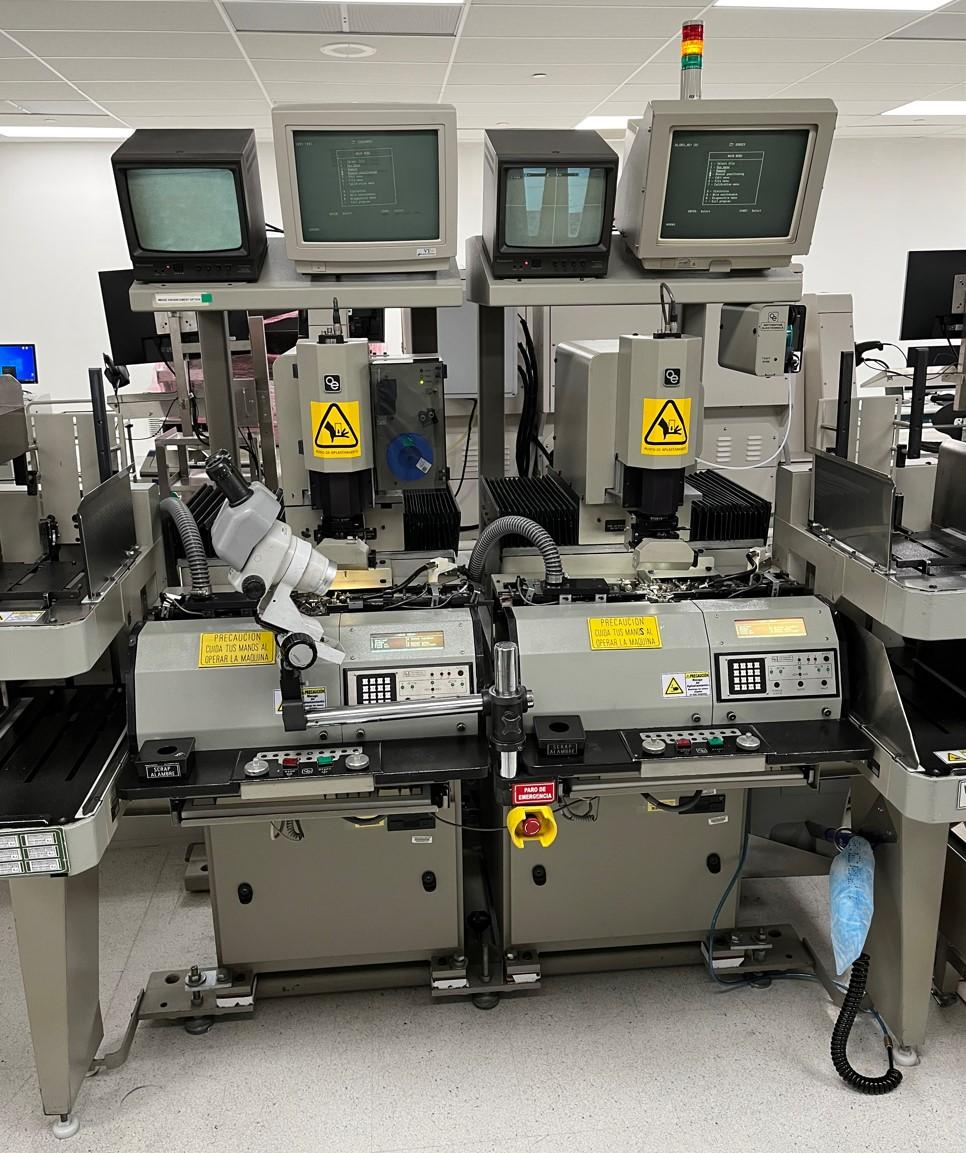
-

Alphawire PIF-240-2 Fiberglass Sleeving 100ft
Alphawire PIF-240-2 Fiberglass Sleeving 100ftFiberglass Sleeving 100ft
-
-
-
-
Popular Manufacturers
Common Applications
data centers
manufacturing facilities
telecommunications
automobile production lines
oil and gas industries
aerospace applications
Frequently Asked Questions
What types of cables are used in industrial settings?
Industrial settings commonly use fiber optic cables, coaxial cables, and twisted pair cables for varying applications.
How do I select the right connectivity solution?
Consider factors like data transfer rate, environmental conditions, and compatibility with existing systems.
Why is cabling important in industrial environments?
Proper cabling ensures efficient communication and data exchange between different equipment, enhancing overall productivity.
What are the common challenges with industrial cabling?
Challenges include signal interference, physical wear and tear, and environmental impacts like temperature and humidity.
Log in with your username/email address