Resistors

Resistors are essential components used to control current flow in electrical circuits. They ensure the stability and reliability of circuit operations by providing precise resistance values.

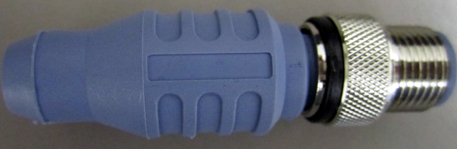
  1. Turck, RSM 57-TR2, minifast Terminating Resistor

    Resistors

    Turck, RSM 57-TR2, minifast Terminating Resistor

    Turck, RSM 57-TR2, minifast Terminating Resistor minifast Terminating Resistor
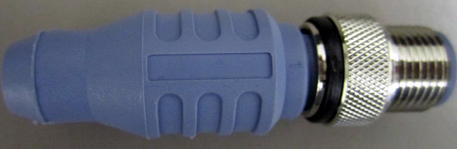
  2. Turck, RSE 57-TR2, eurofast Terminating Resistor

    Resistors

    Turck, RSE 57-TR2, eurofast Terminating Resistor

    Turck, RSE 57-TR2, eurofast Terminating Resistor eurofast Terminating Resistor
  3. Victoreen RX-1M1096F Hi Meg Resistor

    Resistors

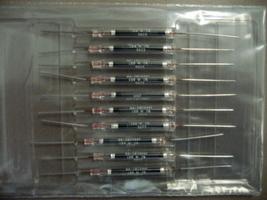
    Victoreen RX-1M1096F Hi Meg Resistor

    Hi Meg Resistor Hi Meg Resistor
  4. VISHAY

    Resistors

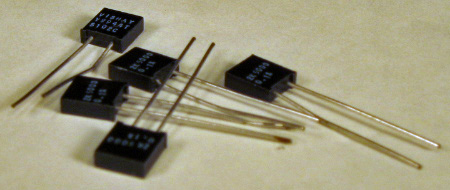
    VISHAY

    2K5000K Resistor, .1% Foil Resistor 2K5000K, .1%

Common Applications

consumer electronics

automotive electronics

industrial machinery

telecommunications

medical devices

aerospace technology

Buying Guide

Resistor Buying Considerations

  • Determine the precise resistance and tolerance needed for your circuit.
  • Consider the power rating to ensure the resistor can handle the expected load.
  • Choose the appropriate material type based on application environment.
  • Evaluate the size and form factor for compatibility with your circuit design.
  • Assess temperature coefficient for stability under varying temperatures.

Frequently Asked Questions

What are the different types of resistors?
Common types include fixed resistors, variable resistors, thermistors, and photoresistors.
How do resistors affect circuit performance?
They control voltage and current, helping to protect components by preventing excess current flow.
What should be considered when selecting a resistor?
Consider factors such as resistance value, power rating, tolerance, and temperature coefficient.
Why are surplus resistors a good option?
Surplus resistors offer cost-effectiveness without compromising on quality and performance.