
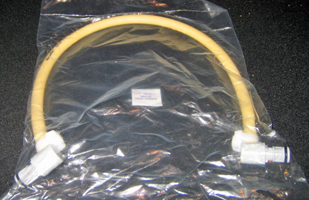
Pipe Fittings
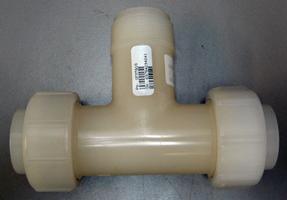
Pipe fittings are essential components used to connect, alter, and control the flow of pipes in various plumbing systems. They ensure efficient and reliable fluid transfer in industrial applications.
-
-
-
-
-

-
-
-
-
-

Texas Instruments
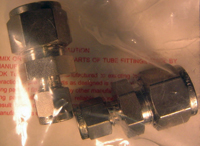
Fitting, Reducer 1/8" x 3/8" tube SSAFitting, Reducer 1/8" x 3/8" tube SSA
-
-
Popular Manufacturers
Common Applications
oil and gas pipelines
water distribution systems
chemical processing
HVAC systems
fire protection systems
sanitary piping
Frequently Asked Questions
What are the key types of pipe fittings?
Common types include elbows, tees, couplings, reducers, and flanges, each serving distinct purposes in plumbing systems.
What materials are pipe fittings made of?
Pipe fittings are typically made from materials like stainless steel, PVC, copper, and brass, depending on the application needs.
How do I choose the right pipe fitting?
Consider the type of fluid, pressure requirements, material compatibility, and fitting size when selecting pipe fittings.
What is an elbow fitting used for?
Elbow fittings are used to change the direction of flow in pipes, typically at 90 or 45 degrees.
Log in with your username/email address