
Mechanical Components
Mechanical components form the backbone of various industrial systems, facilitating motion, support, and control. They ensure reliable performance, enhancing the efficiency and durability of machinery.
-
-

-
-
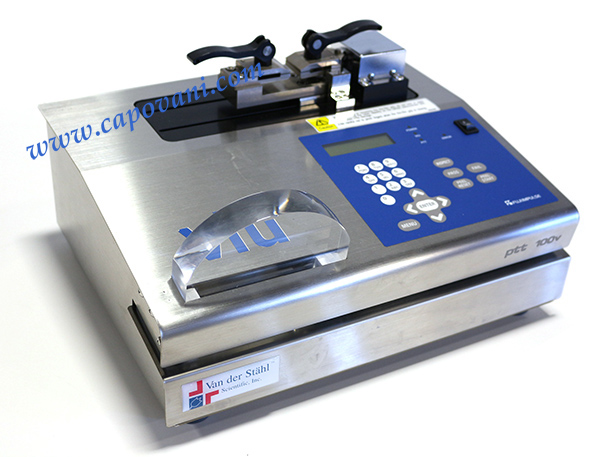
VAN DER STAHL SCIENTIFIC, INC. 100N PEEL TENSILE TESTER
Peel Tensile Tester with Visual Inspection Unit
The PPT-100V is a medical pouch package test and inspection unit.
-
AFLAS ORNGO12F10484 O-Ring .139 x 10.484"
ORNGO12F10484 O-Ring Aflas .139 x 10.484"O-Ring Aflas .139 x 10.484"
-
Applied Materials, 3700-01865, O-Ring
Applied Materials, 3700-01865, O-Ring ID 11.475 CSD .210 Viton 75 Duro BO-Ring ID 11.475 CSD .210
-
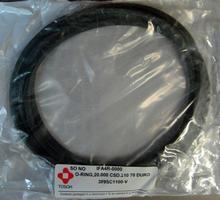
Tosoh 389SC1100 O-Ring, 20.0 CSD.210 70 Duro
Tosoh 389SC1100 O-Ring, 20.0 CSD.210 70 DuroO-Ring, 20.0 CSD.210 70 Duro
-
-
-
-
-
Popular Manufacturers
Common Applications
automotive systems
manufacturing machinery
robotic automation
aerospace engineering
construction equipment
agricultural machinery
Frequently Asked Questions
What are mechanical components used for?
Mechanical components are used in machines to facilitate movement and provide structural support.
How do I choose the right mechanical component?
Consider the application's load requirements, material compatibility, and operational environment.
Can I find surplus mechanical components?
Yes, corporate surplus marketplaces often offer a variety of mechanical components.
What industries rely on mechanical components?
Industries like automotive, aerospace, manufacturing, and robotics heavily rely on mechanical components.
Log in with your username/email address