
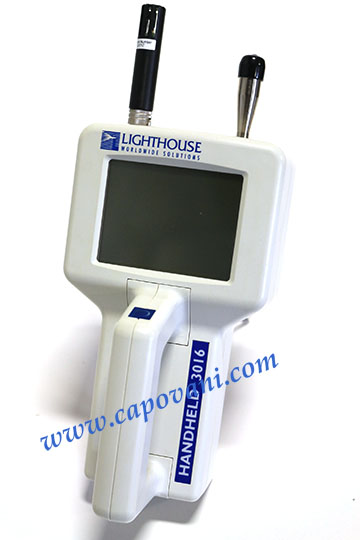
Particle Counters
Particle counters are precision instruments designed to measure and quantify particles in the air. They play a crucial role in ensuring optimal air quality across various environments, supporting performance and compliance.
-
-

-
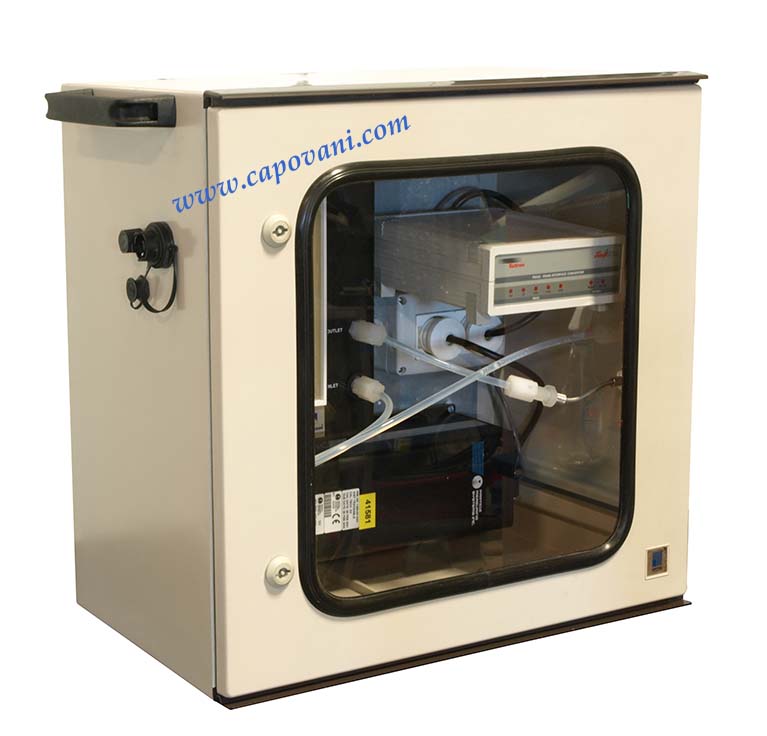
PARTICLE MEASURING SYSTEMS LIQUILAZ
Particle Counting Spectrometer for Liquids.New--Never Used Particle Measuring Systems LiQuilaz S 02
-
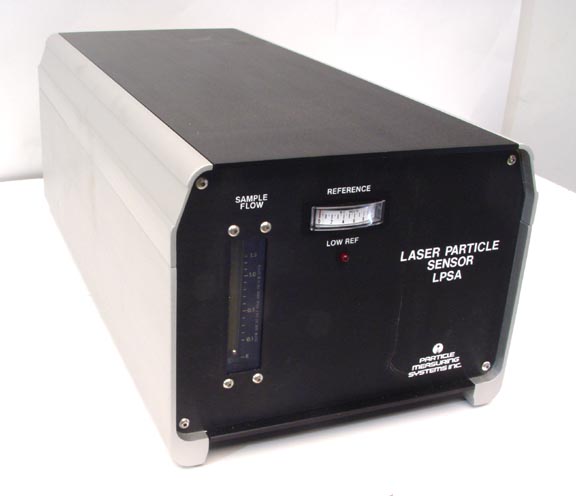
PARTICLE MEASURING SYSTEMS LASER PARTICLE SENSOR
Laser Particle Sensor New--Never Used Particle Measuring Systems LPS A-310
Popular Manufacturers
Common Applications
cleanroom monitoring
HVAC system testing
outdoor air quality monitoring
manufacturing process monitoring
laboratory analysis
industrial hygiene
Frequently Asked Questions
What types of particles can particle counters detect?
Particle counters can detect a range of particles including dust, pollen, smoke, and other aerosols.
How do particle counters work?
Particle counters use laser scattering technology to measure the size and number of particles in a given air sample.
Where are particle counters commonly used?
They are commonly used in cleanrooms, manufacturing plants, and any environment where air quality is critical.
Why is particle counting important in industrial settings?
Particle counting is essential to maintain air quality standards and ensure the safety and efficiency of production processes.
Log in with your username/email address