
Optical Tables and Breadboards
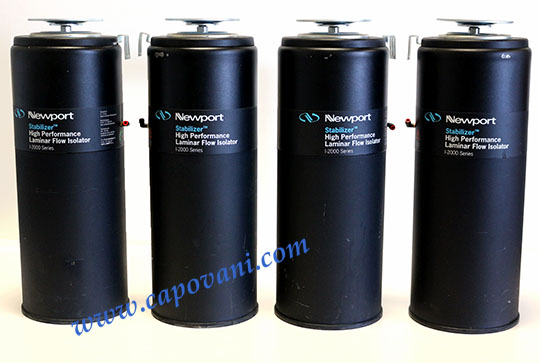
NEWPORT PNEUMATIC VIBRATION ISOLATORS 28" HIGH
Set of Four High Performance Laminar Flow Isolators without Leveling Valves.
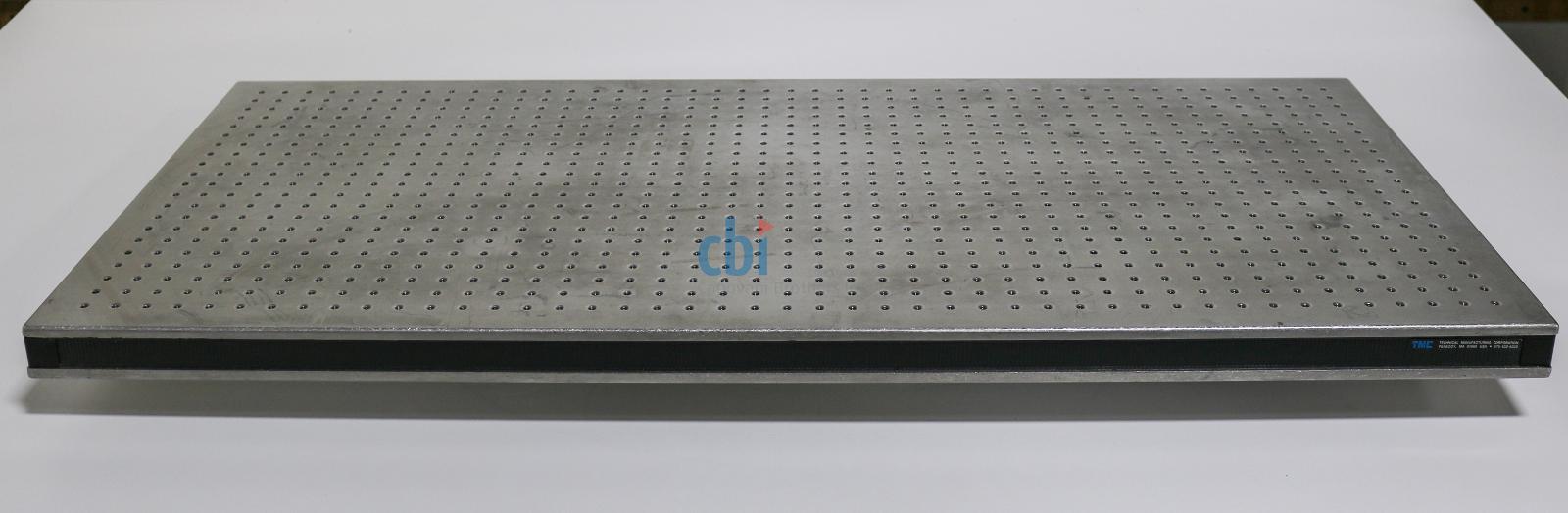
Optical tables provide a stable surface for precision optical experiments and measurements. They enhance experimental accuracy and support various optical components effectively.
Optical Tables and Breadboards
Set of Four High Performance Laminar Flow Isolators without Leveling Valves.

Optical Tables and Breadboards
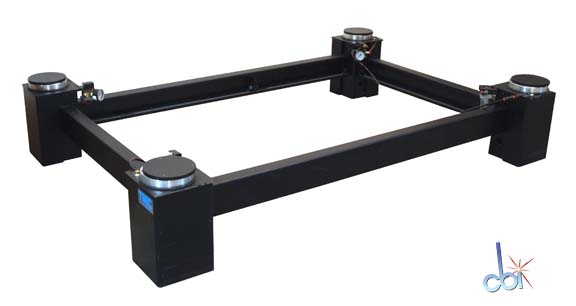
Research Series Optical Table
Table Top Only
Optical Tables and Breadboards
Research Series Optical Table
Table Top Only
Optical Tables and Breadboards
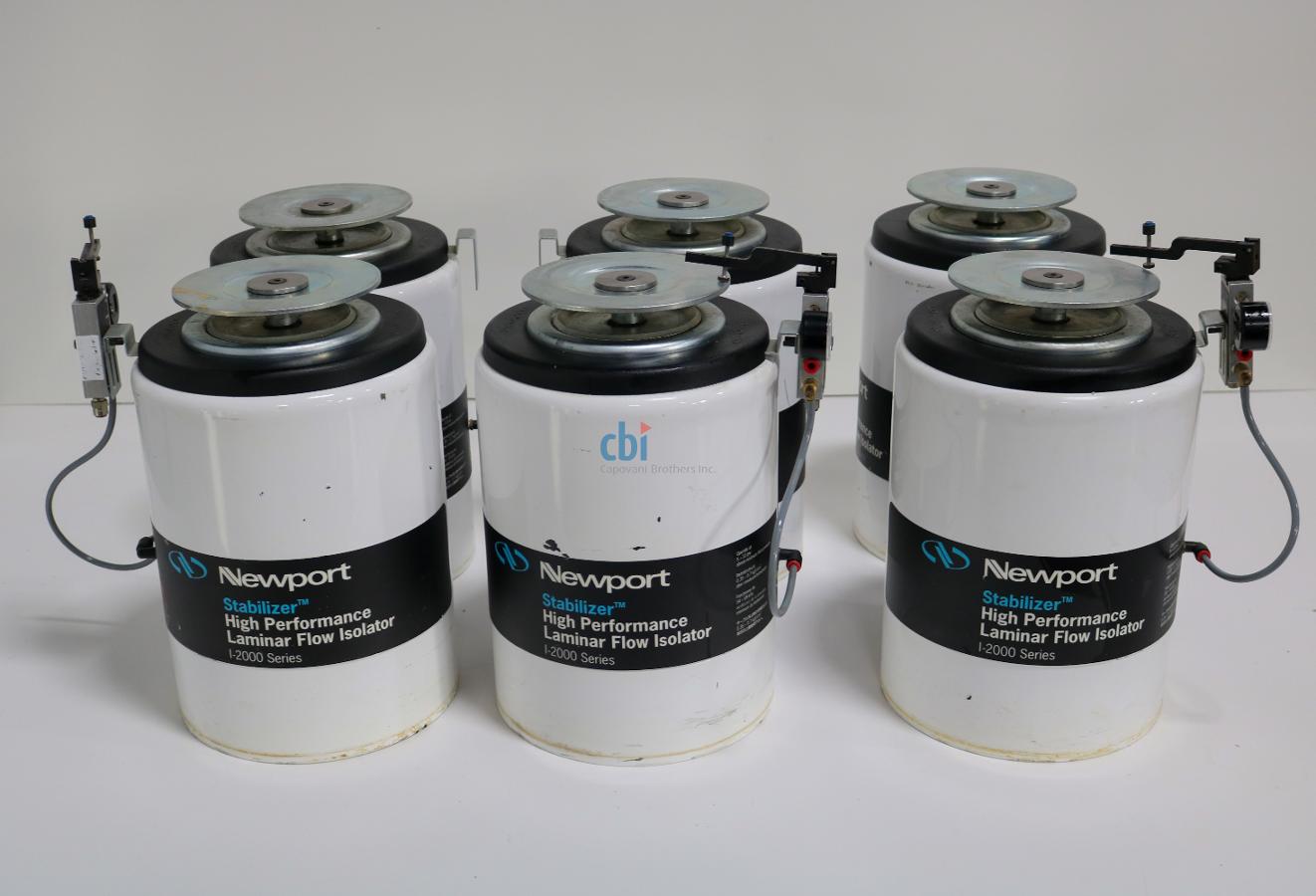
High Performance Pneumatic Vibration Isolator - Set of Six
(3) Leveling Valves Included
Optical Tables and Breadboards
Optical Tables and Breadboards
Optical Tables and Breadboards
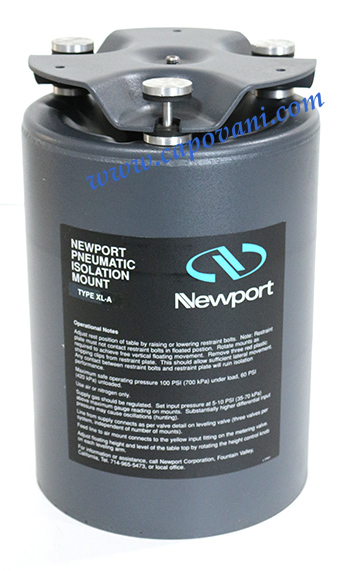
Set of 4 Vibration Isolators -- Pneumatic (photo shows only 1)
Optical Tables and Breadboards
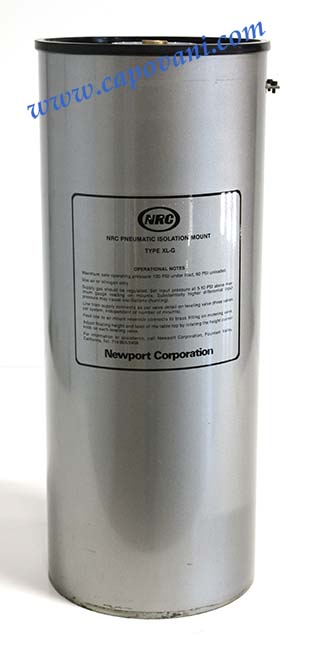
Vibration Isolators -- Pneumatic
Log in with your username/email address