
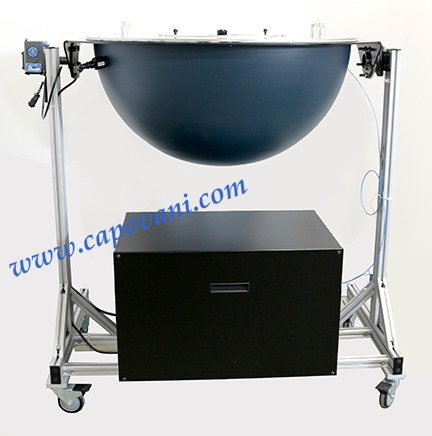
Integrating Spheres
Integrating spheres are essential tools in optical measurement, providing uniform light distribution for accurate data collection. They enhance the precision and reliability of photometric and radiometric analyses.
-
-
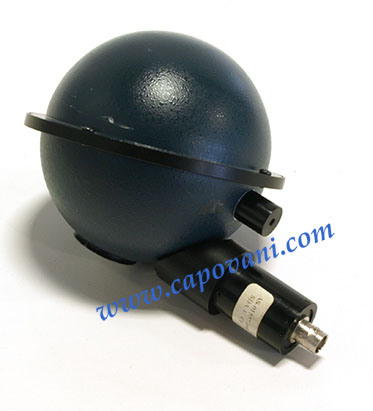
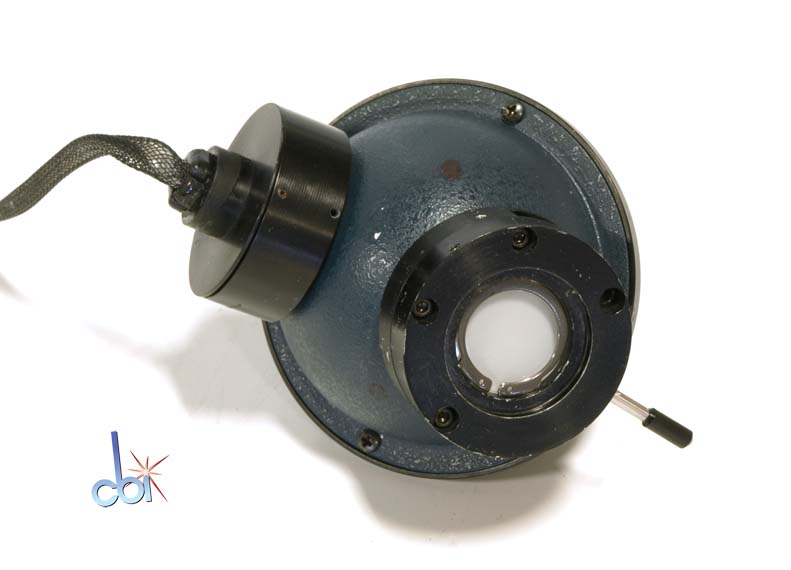
LABSPHERE INTEGRATING SPHERE, 4" DIAMETER
4" Integrating Sphere with AS-01557-000 SDA-U CE Detector
-
-

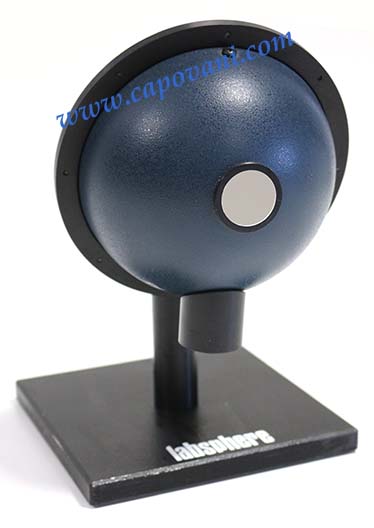
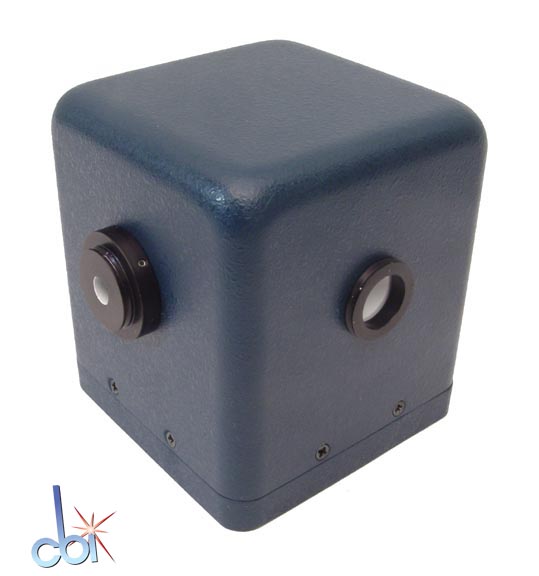
LABSPHERE INTEGRATING SPHERE, 4" DIAMETER
4" Integrating Sphere on tilting stand.
Model number unknown. Possibly a custom AdaptaSphere Series sphere. See detailed photos.
-
-

-

-
-
Common Applications
photometry
radiometry
LED testing
display measurement
color measurement
material analysis
Frequently Asked Questions
What is an integrating sphere used for?
An integrating sphere is used to measure the optical properties of light, such as total light flux, by distributing light uniformly over its surface.
How does an integrating sphere improve measurement accuracy?
It improves accuracy by eliminating directional biases in light distribution, facilitating even light scattering for consistent readings.
What are common applications for integrating spheres?
They are commonly used in applications like LED testing, light intensity measurement, and color analysis.
What factors should be considered when purchasing an integrating sphere?
Consider sphere size, coating material, port size, and compatibility with detection instruments.
Log in with your username/email address