Environmental Control Systems

Environmental control systems manage air quality and climate within industrial and commercial facilities. They ensure optimal conditions for operations, enhancing efficiency and safety.

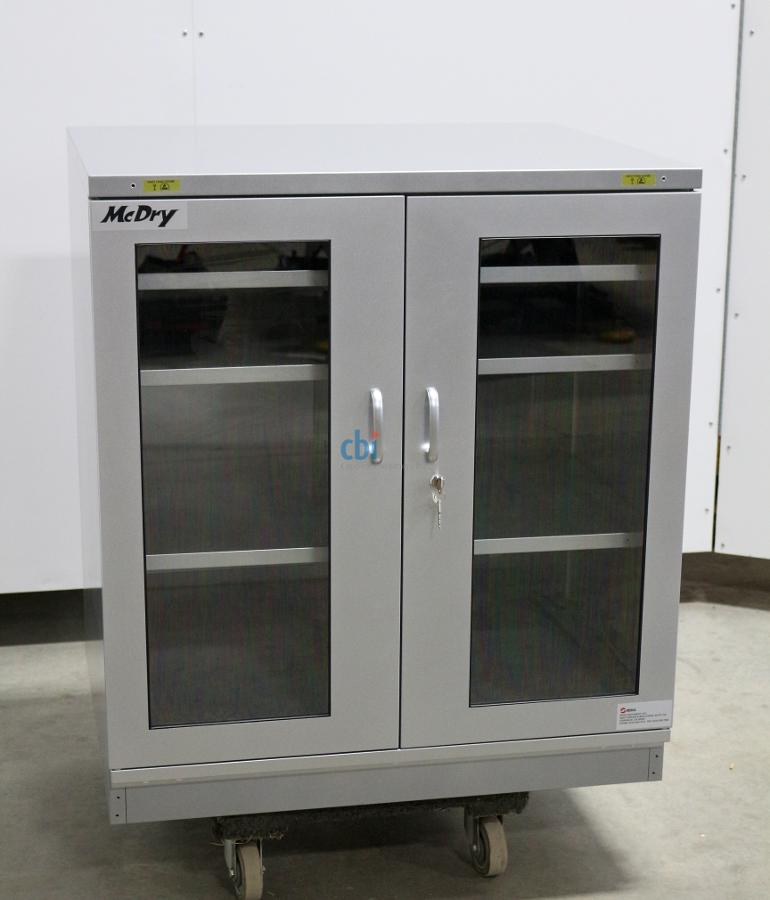
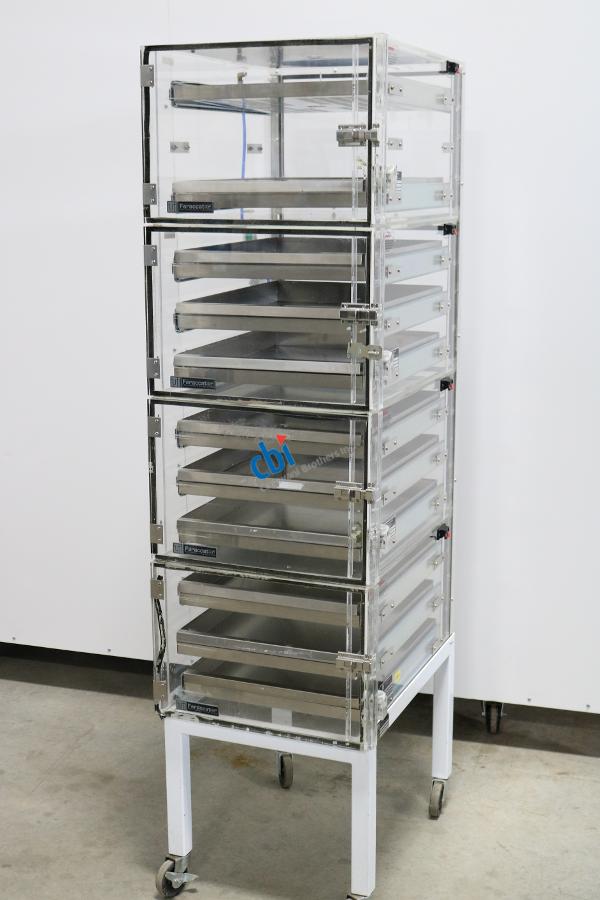
  1. McDRY SEIKA ULTRA LOW HUMIDITY STORAGE CABINET 18.5 CUFT

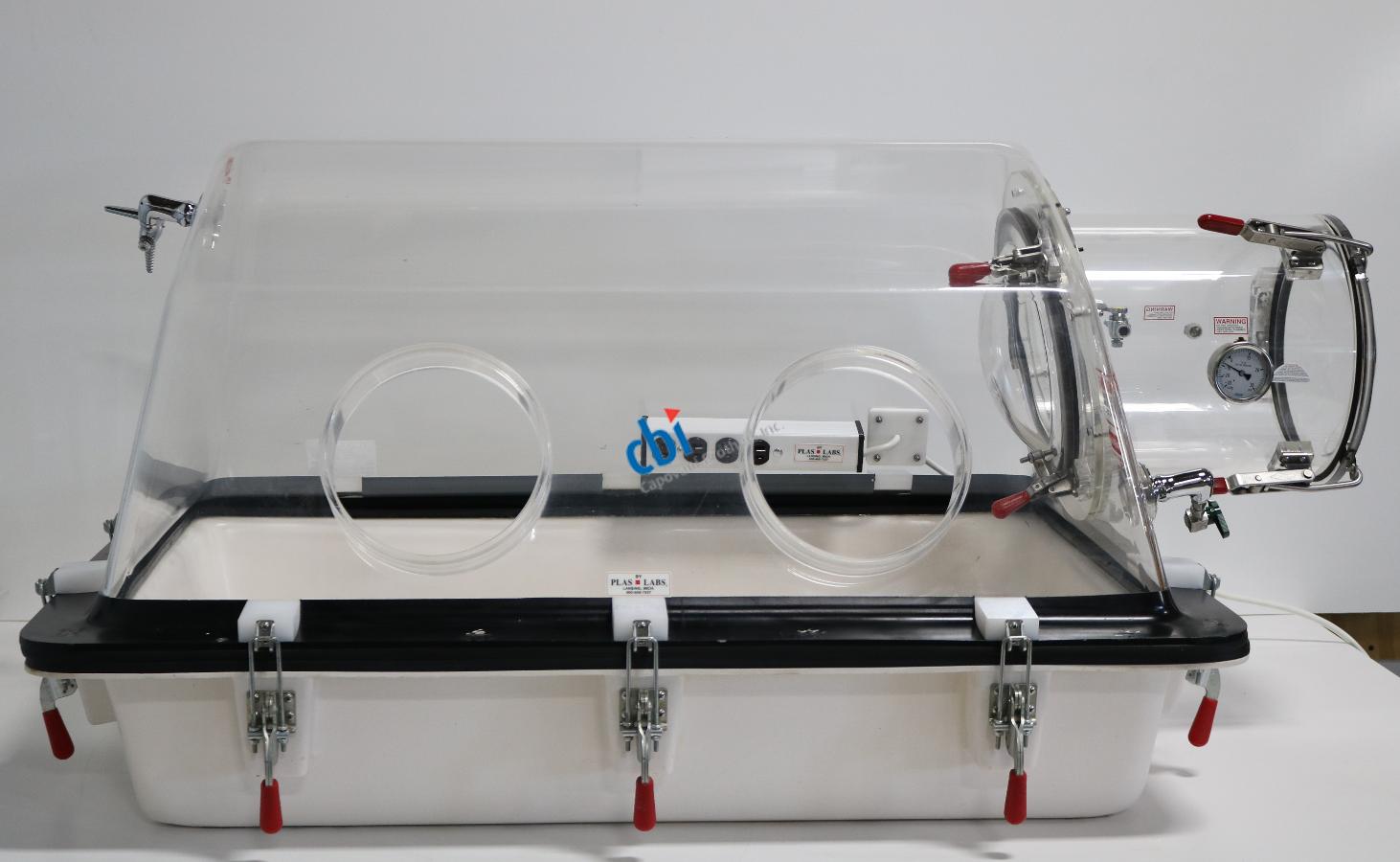
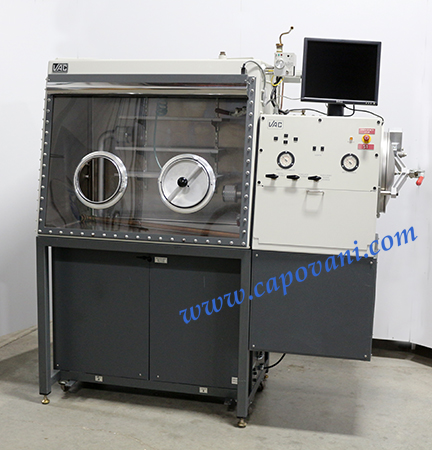
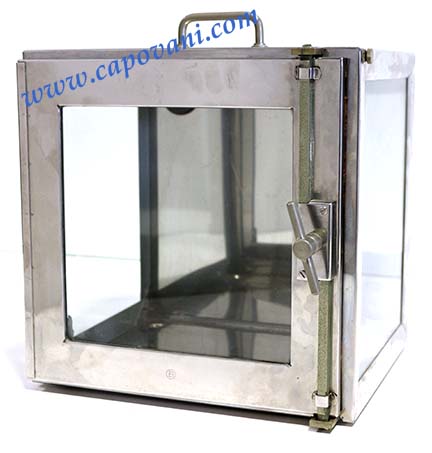
    Dry Boxes

    McDRY SEIKA ULTRA LOW HUMIDITY STORAGE CABINET 18.5 CUFT

    McDry humidity storage cabinet maintains ultra-low humidity levels under the recommended indefinite safe floor life guideline of dry storage at 5% RH or less.
Common Applications

manufacturing plants

pharmaceutical facilities

data centers

clean rooms

laboratories

commercial buildings

Buying Guide

Environmental Control Systems Buying Considerations

  • Assess facility dimensions to determine system size requirements.
  • Evaluate the specific climate control needs, such as temperature and humidity ranges.
  • Ensure compatibility with existing HVAC systems for seamless integration.
  • Consider energy efficiency to reduce operational costs.
  • Check for compliance with industry air quality standards and regulations.

Frequently Asked Questions

What are environmental control systems?
They are systems designed to maintain optimal air quality and climate conditions in industrial environments.
Why are environmental control systems important?
They ensure that industrial processes operate efficiently and safely by managing temperature, humidity, and air quality.
What types of environmental control systems are available?
Options include standalone HVAC controls, integrated air quality systems, and advanced climate control solutions.
How do I choose the right environmental control system?
Consider facility size, specific climate needs, and integration capabilities with existing systems.