
.jpg)
Stereo Microscopes
Stereo microscopes offer three-dimensional visualization of specimens, crucial for detailed examination. They enhance precision and clarity in laboratory imaging processes.
-
-
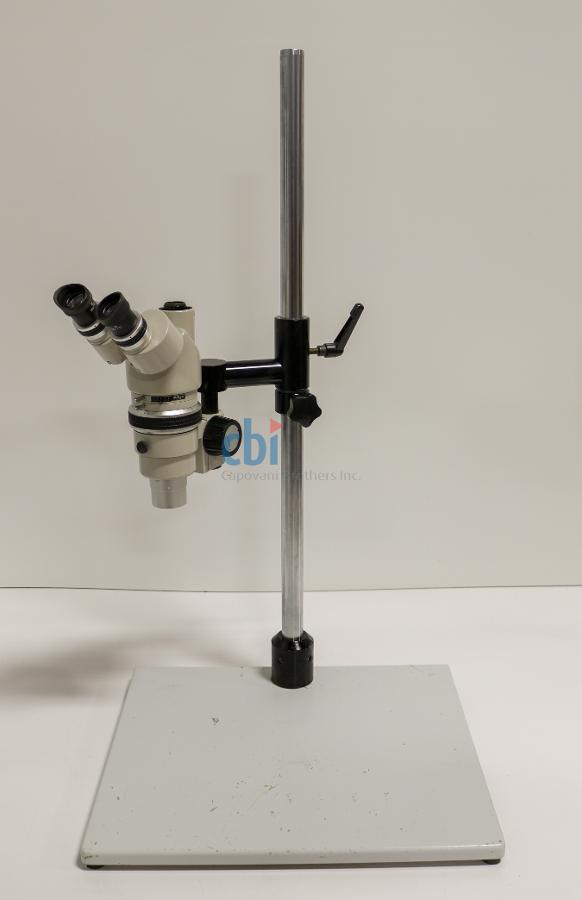
-
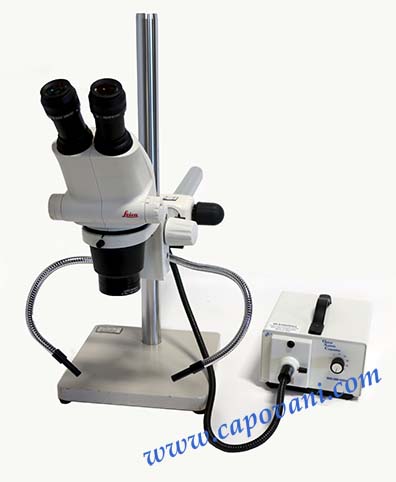
LEICA STEREO MICROSCOPE 6.3X - 40X
Stereo Microscope with Boom Stand, Dual Light Pipes & .75X Aux lens
-
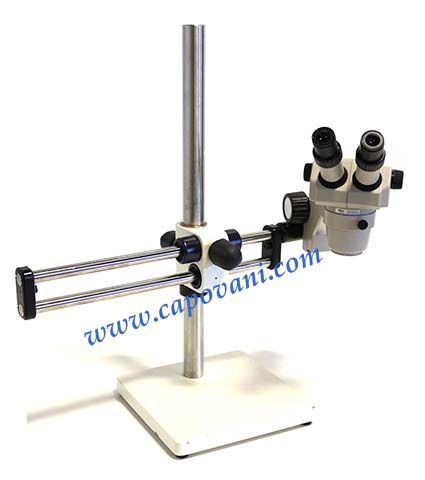
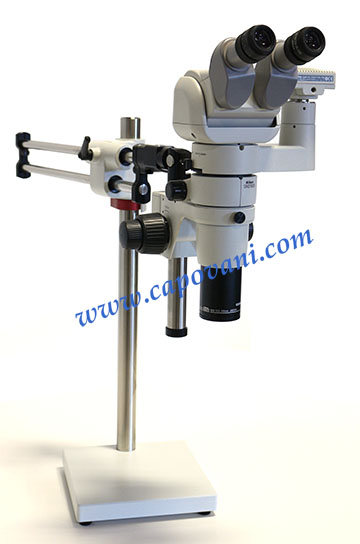
NIKON STEREOMICROSCOPE 16X - 70X with BOOM STAND
Stereomicroscope with Boom Stand
Choice of 10X, 15X or 20X Eyepieces
-
-
-
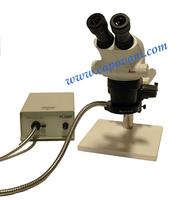
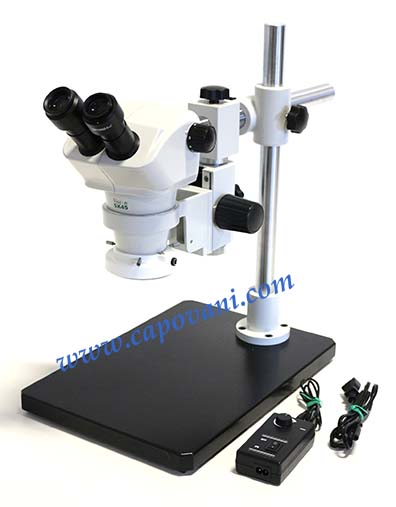
LEICA STEREO MICROSCOPE 6.3X - 40X
Stereo Microscope with Boom Stand and Ring Light -
-
-

-
-
Popular Manufacturers
Common Applications
biological research
industrial inspection
forensics
quality control
archaeology
gemology
Frequently Asked Questions
What are stereo microscopes used for?
Stereo microscopes are used for obtaining three-dimensional views of specimens, essential in detailed examination tasks in labs.
How do stereo microscopes differ from conventional microscopes?
Stereo microscopes provide a 3D view by using two optical paths, unlike conventional microscopes which offer a flat, 2D image.
What industries benefit from stereo microscopes?
Industries such as biological research, electronics inspection, and material science benefit from stereo microscopes.
Can stereo microscopes be used in education?
Yes, stereo microscopes are often used in educational settings for hands-on learning in biology and geology.
Log in with your username/email address